Credit Score Myths: What You Need to Know


Understanding Credit Scores
Credit scores are crucial in determining your financial health, but there are many myths and misconceptions surrounding them. Understanding these myths can help you make better financial decisions and improve your credit score more effectively.
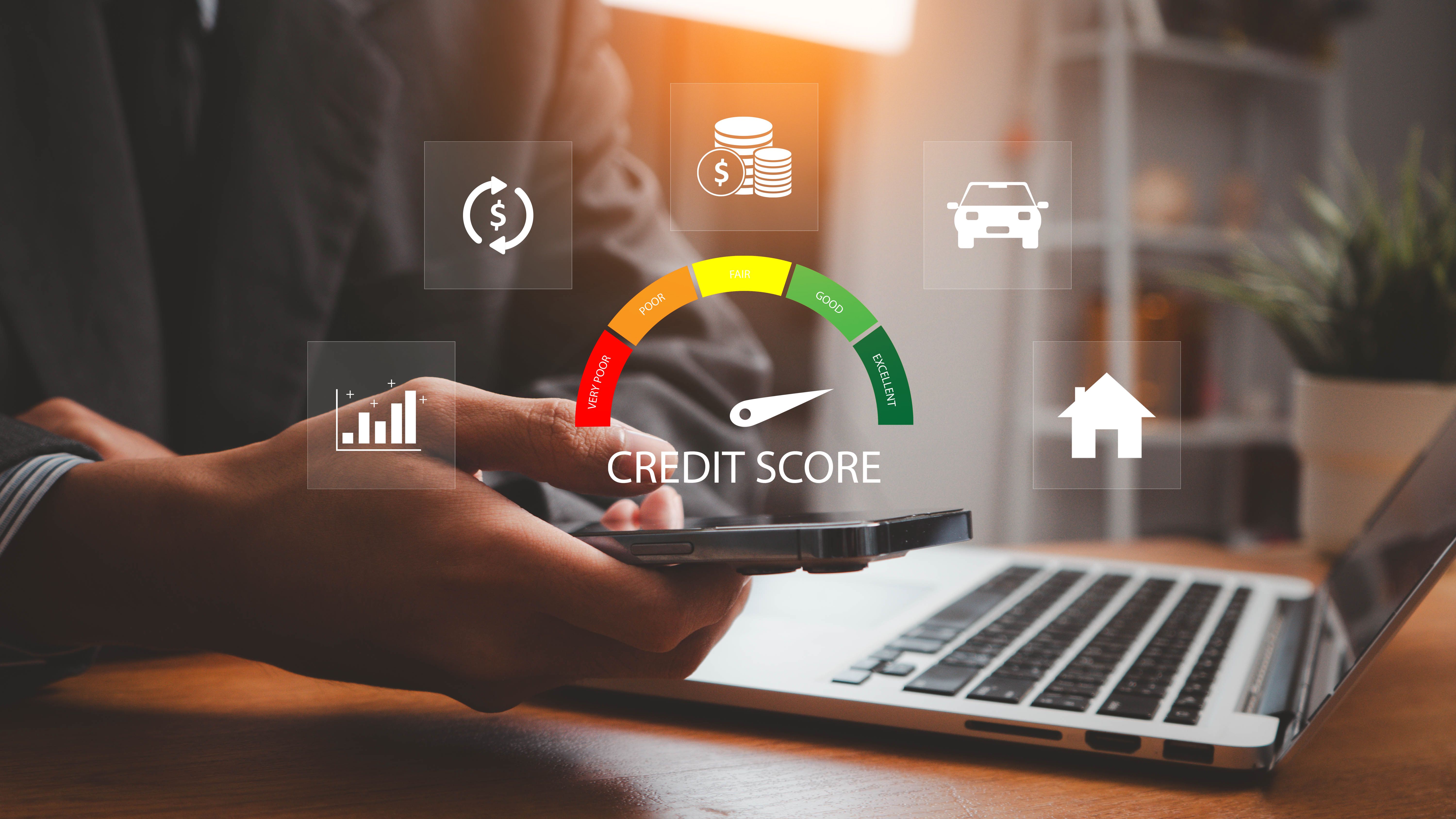
Myth 1: Checking Your Credit Lowers Your Score
One common myth is that checking your credit score too often will lower it. This is not true. Checking your own credit score is considered a "soft inquiry" and does not affect your score. It’s only "hard inquiries," such as when a lender checks your credit for a loan application, that can potentially impact your score.
Myth 2: Closing Old Accounts Will Improve Your Score
Another widespread belief is that closing old credit accounts will improve your credit score. In reality, closing an account can sometimes hurt your score by reducing your overall credit available and shortening your credit history. It’s often better to keep older accounts open, especially if they have a positive payment history.

The Role of Debt in Credit Scores
Many people think that carrying a balance on their credit card will boost their score. However, carrying a balance from month to month can lead to interest charges and potential debt, without necessarily improving your score. Paying off your credit card in full each month is typically a better strategy.
Myth 3: All Debt Is Bad
It's a common misconception that all debt negatively affects your credit score. In fact, having a mix of credit types, such as installment loans and credit cards, can be beneficial. This mix shows lenders you can handle different types of credit responsibly.

Understanding the Factors That Impact Your Score
Credit scores are calculated based on several factors, and understanding these can help debunk some myths. The main components include:
- Payment History: This has the largest impact, so always aim to pay on time.
- Credit Utilization: Keeping your credit card balances low relative to your credit limit is crucial.
- Length of Credit History: The longer your credit history, the better.
- Types of Credit in Use: A diverse credit portfolio can be beneficial.
- New Credit Inquiries: Multiple recent inquiries can lower your score.
Myth 4: Your Income Affects Your Credit Score
Another myth is that your income directly impacts your credit score. While income is crucial for lenders to assess your ability to repay, it does not factor into your credit score calculation. Your score is based on how you manage credit, not how much money you earn.

Taking Control of Your Credit Score
By understanding and addressing these myths, you can take control of your credit score. Regularly checking your credit report, maintaining a diverse credit mix, and managing credit responsibly will help you achieve a healthier financial status. Remember, knowledge is power when it comes to improving your credit score.